📝 Dev Notes
Running notes on things I’ve hit, fixed, or found worth remembering.
Running notes on things I’ve hit, fixed, or found worth remembering.
My house is full of automation that never told me anything — until I gave it one push bus. The first thing I taught it to do was warn me before Claude Code cuts out mid-task.
I set out to answer a simple worry — is someone trying to get into my server? — and found the scarier question underneath it: if they did, would I even know? My front door was solid. The inside had an alarm with the wires cut, a web terminal sitting on the open internet, and no floor under the blast radius. Here’s the audit, and the three things I fixed.
Parliamentary roll-call votes are public, machine-readable, and almost completely unread. I built a thing that scrapes them, distills each decision into one plain-language question, shows which party voted which way, and lets you register whether you agree — then puts your answer next to how parliament actually voted. The rule that keeps it honest: the AI writes the summary, but it never decides a fact.
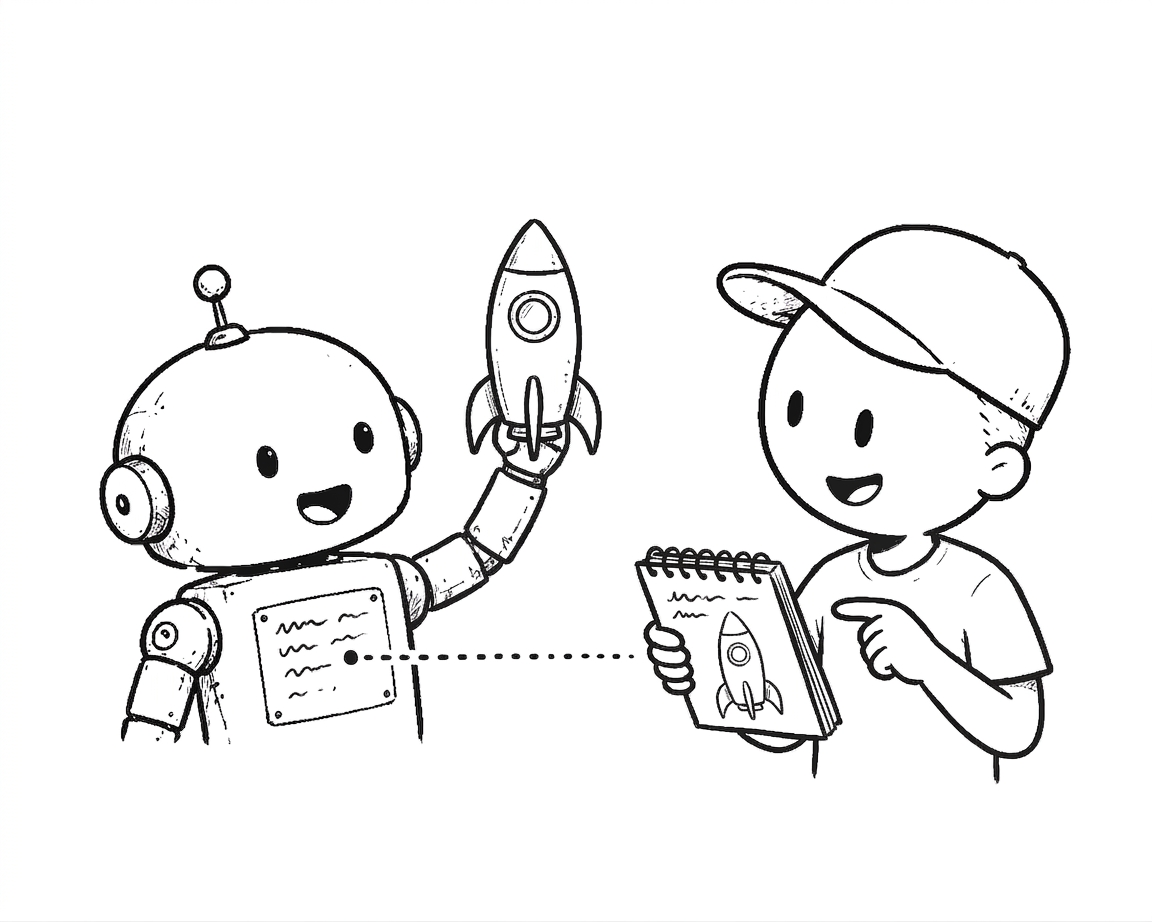
An AI agent on a scheduled idle walk through my notes pointed out that I’d built the same architecture three times — at work, in my homelab, and in my second brain — and that the third copy was missing the part that makes GitOps work. It was right. So we shipped the missing piece the same day.
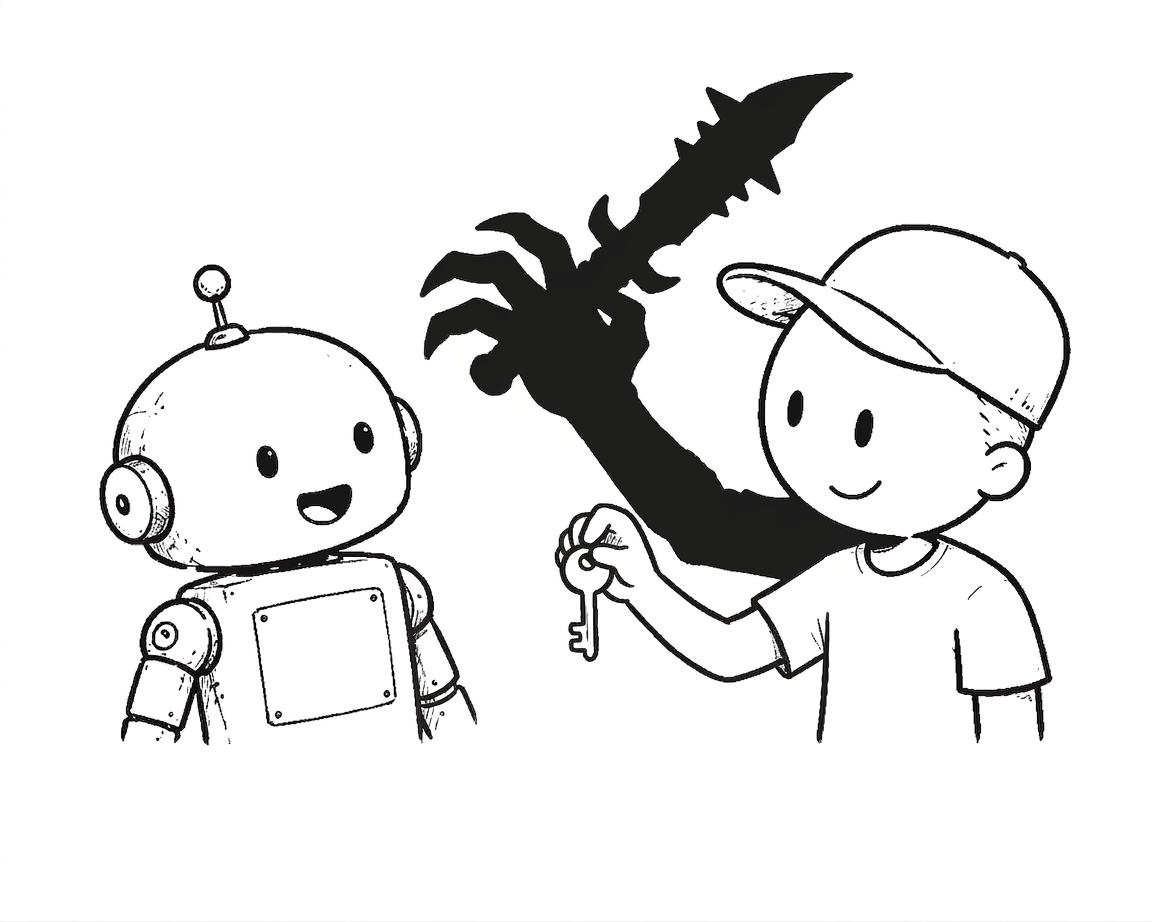
I asked Claude Fable 5 to help me self-host a dashboard for my own Claude usage. Halfway through, its dual-use safety measures flagged the conversation and downshifted me to Opus 4.8. Nothing I did was wrong — the request just had the shape of something that is. That gap, between what a thing looks like and what it’s for, turns out to be the whole story.
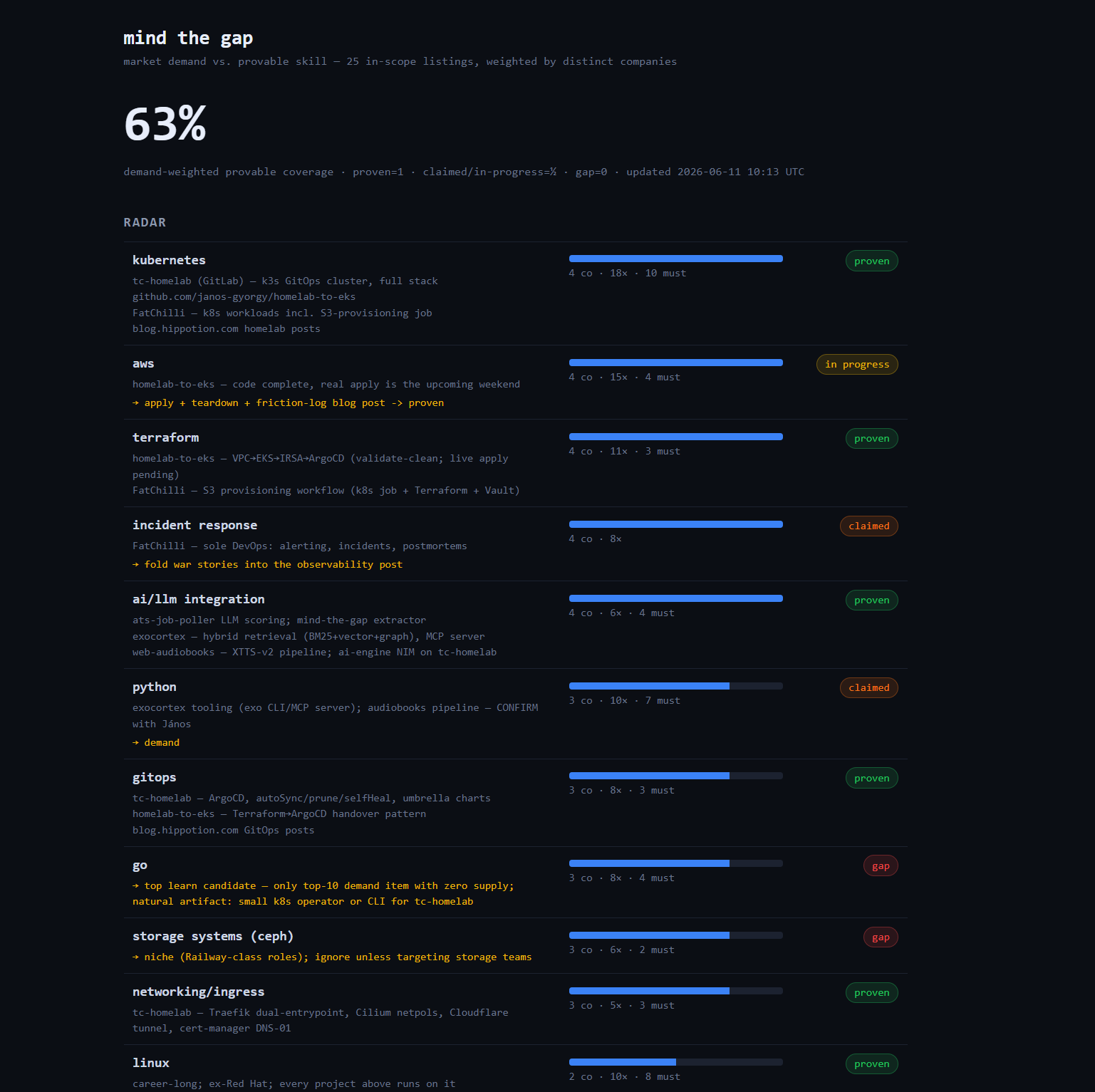
A rejection isn’t actionable data. So an n8n workflow now extracts skill demand from live job listings, diffs it against what I can prove, and renders the gap as a dashboard — deployed like everything else here: via git push.
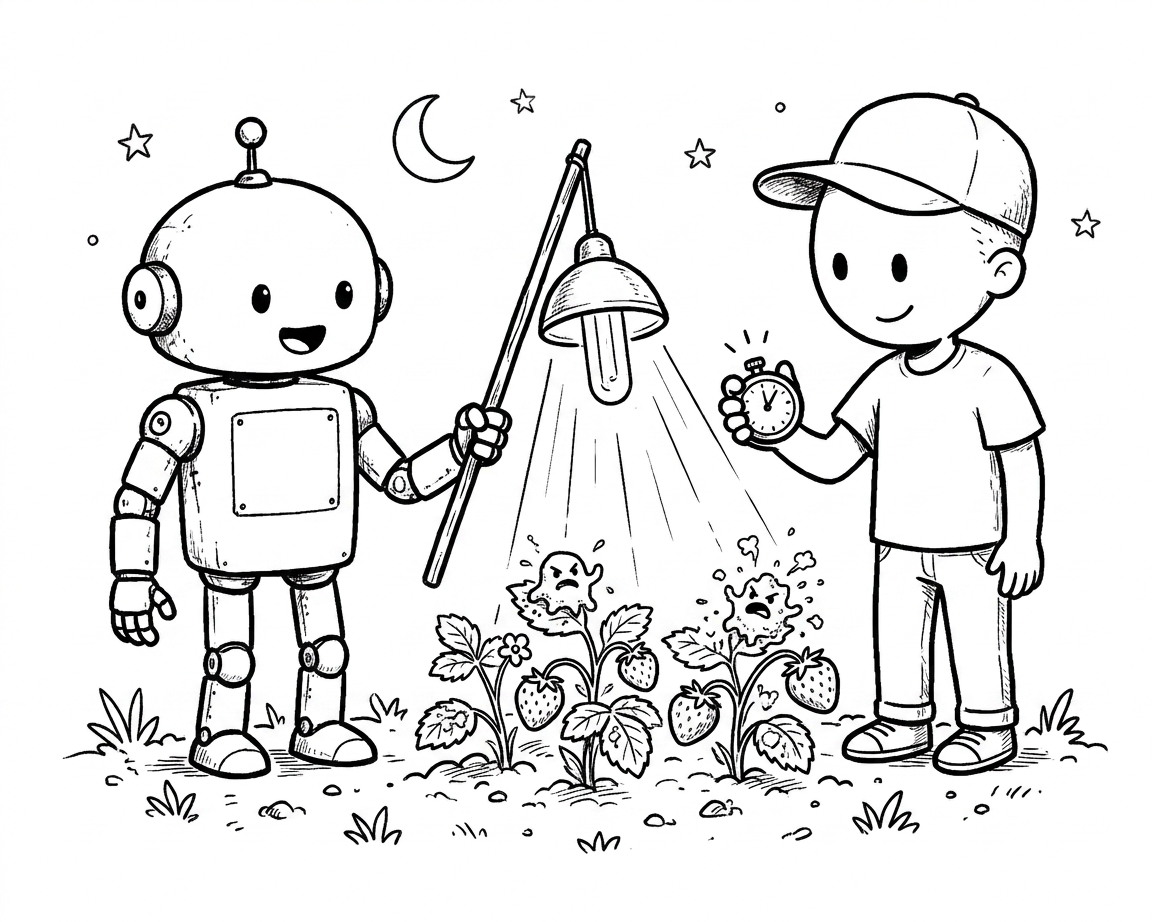
A farm robot is replacing pesticides with UV light at night. The clever part isn’t the robot — it’s the darkness. Here’s the home version, and the honest scope of what it can and can’t do.
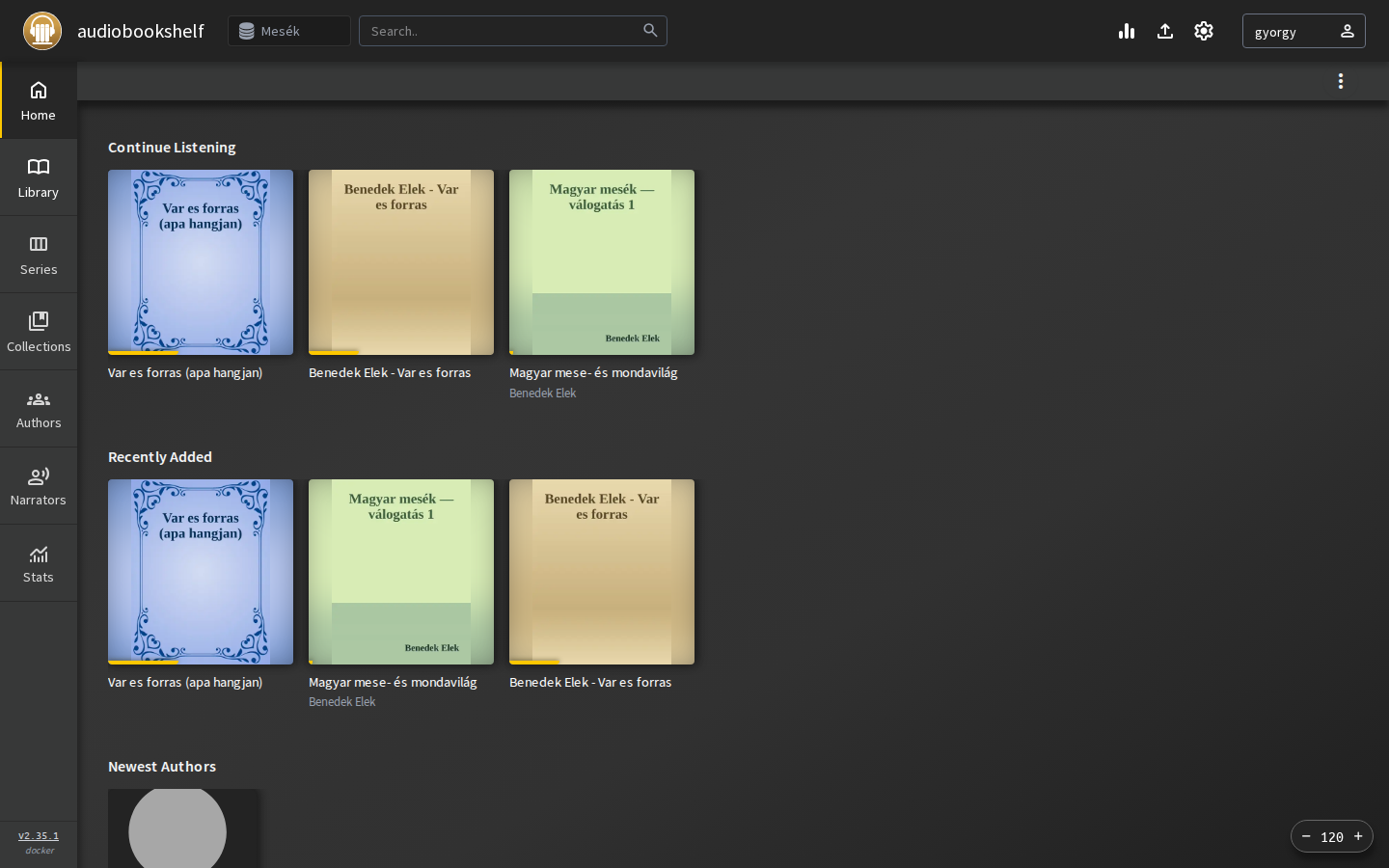
Zero-shot voice cloning with XTTS-v2 on a CPU-only k3s node: 26 seconds of phone audio in, a cloned-voice audiobook out — and an honest verdict from the bedtime jury. Every manual step, including the ones that went wrong.
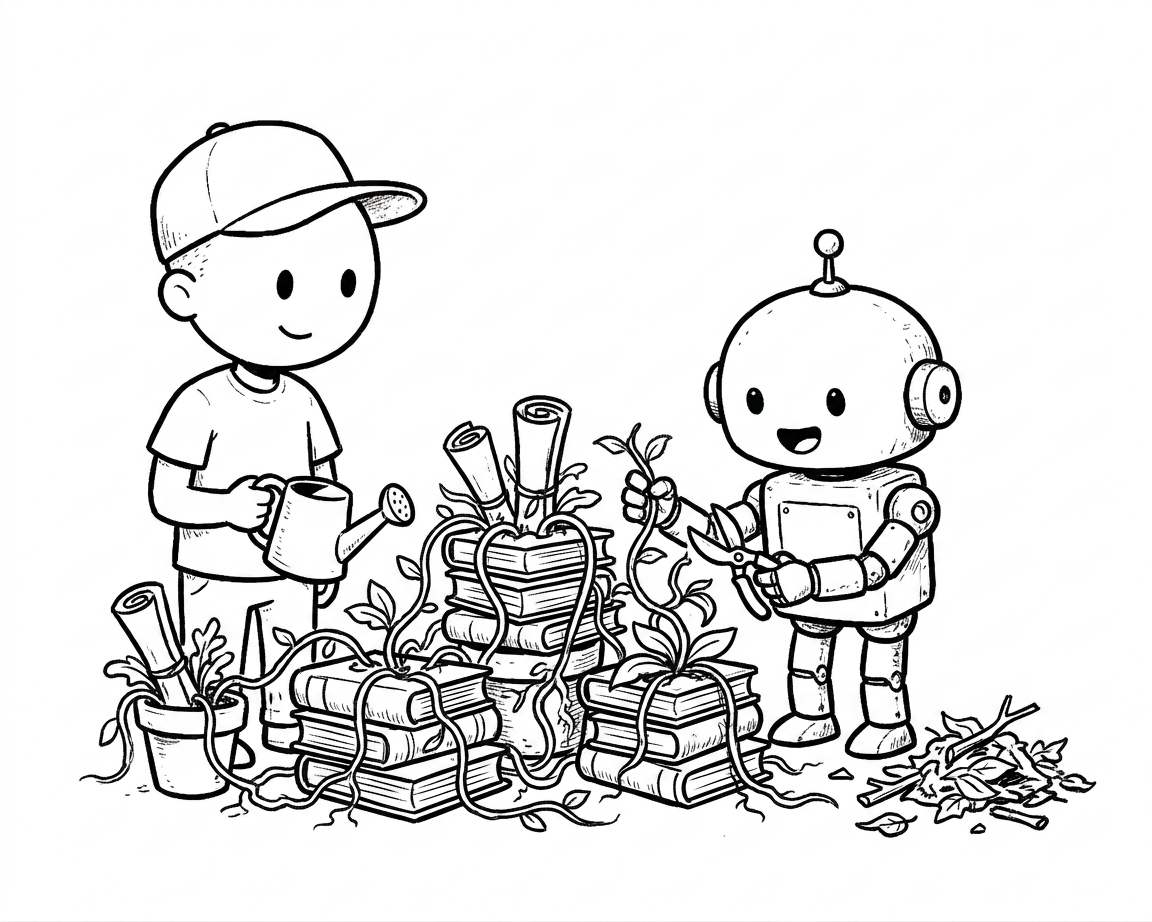
I gave my markdown knowledge base a nightly gardener — an AI that finds orphan notes and missing links and fixes them, every change a reviewable git commit. The fun part was the Kubernetes wall I hit on the way.