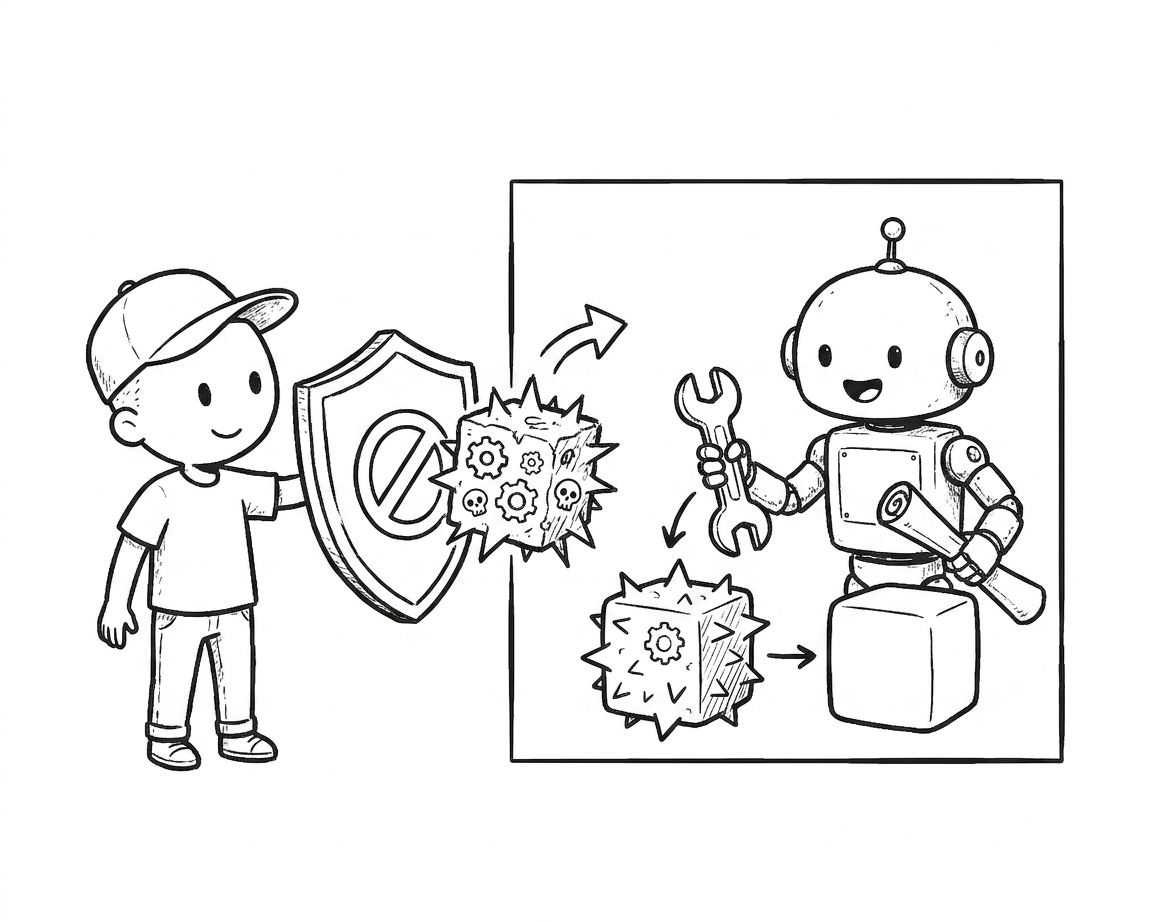
🔄 Someone kubectl apply'd a Hotfix Directly. How Do You Detect and Prevent It?
Manual kubectl in production is the Kubernetes equivalent of SSH’ing into a server and editing files. It works until it doesn’t, and when it doesn’t, nobody knows why.
Manual kubectl in production is the Kubernetes equivalent of SSH’ing into a server and editing files. It works until it doesn’t, and when it doesn’t, nobody knows why.
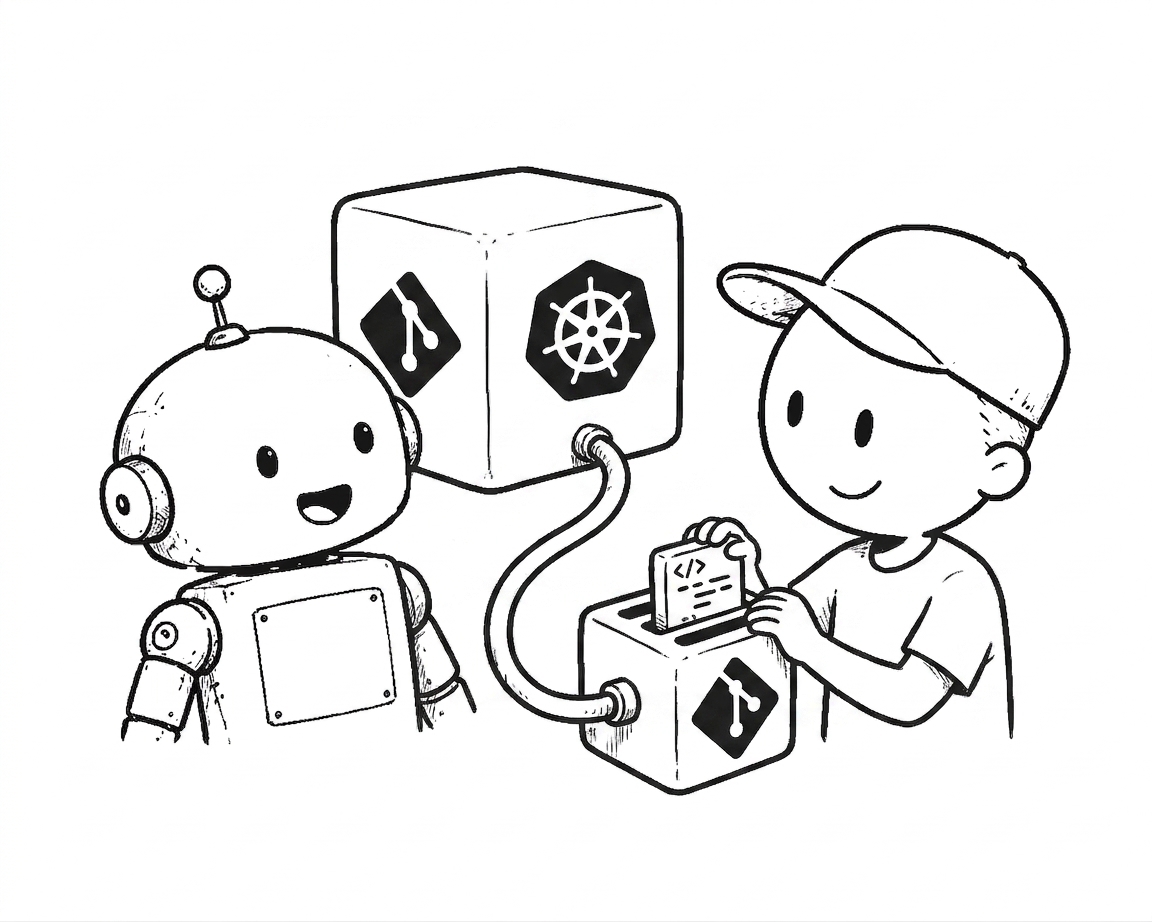
A common interview question in 2026. If your answer is ‘kubeconfig in a CI secret’, you’re not wrong — but you’re also not getting the job.
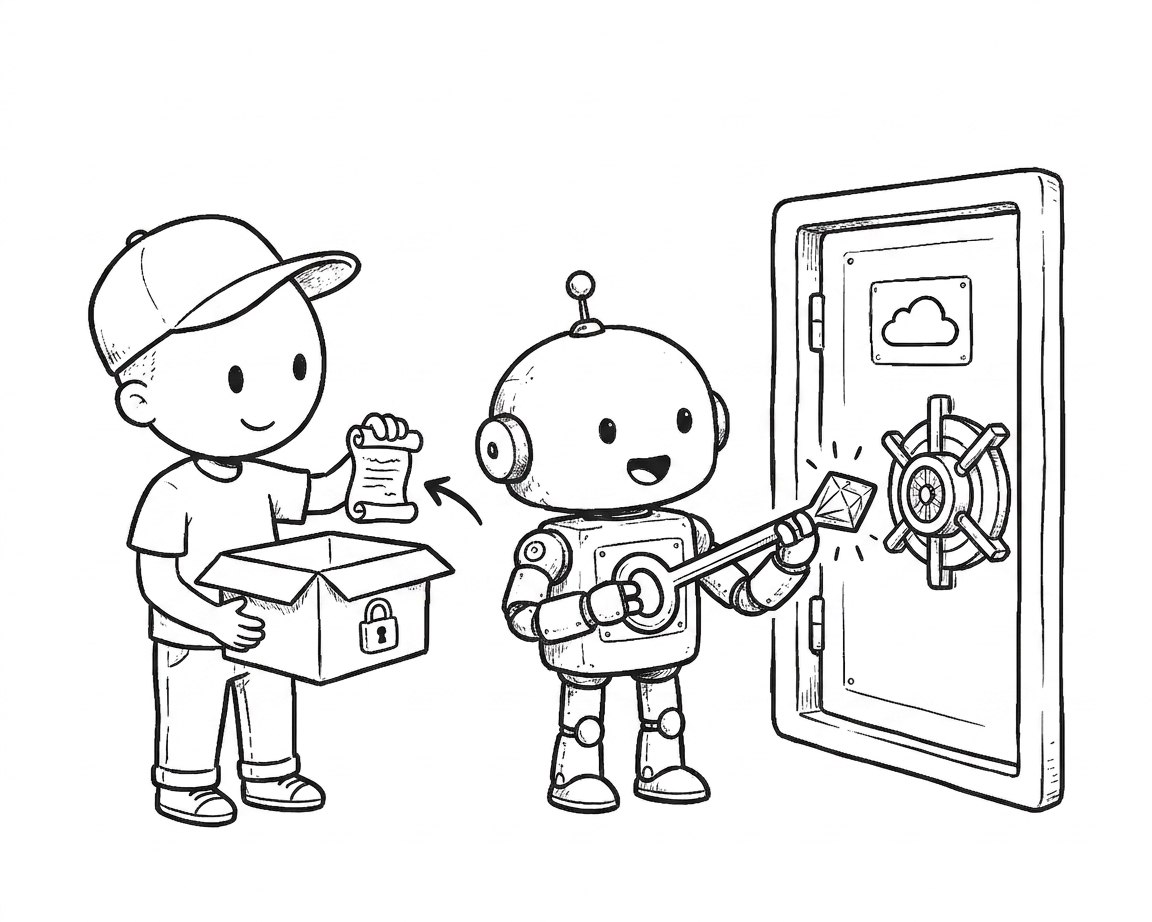
GitOps says Git is the source of truth. Secrets say don’t put them in Git. These two things appear to be in direct conflict. They’re not.
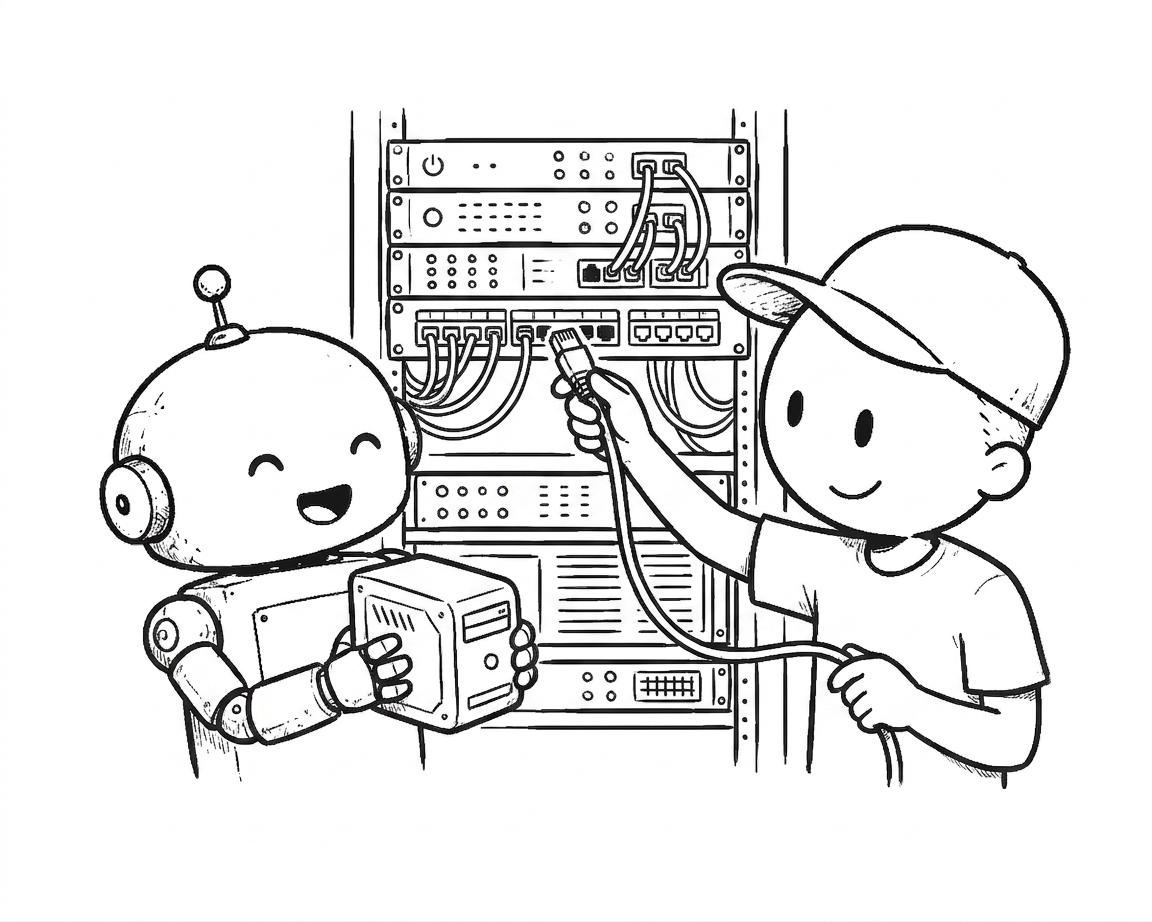
I wanted to learn production-grade Kubernetes patterns without breaking production. One node, a full GitOps stack, and a hard rule: no manual kubectl after bootstrap.