📝 Dev Notes
Running notes on things I’ve hit, fixed, or found worth remembering.
Running notes on things I’ve hit, fixed, or found worth remembering.
I gave my second brain two agents that read the outside world and collide it against my notes. A Magpie watches my GitHub stars and only speaks when something hits live work. A Blue Jay reads a handful of RSS feeds and surfaces the distant, not-yet-relevant connection. They share a security spine — and they have deliberately opposite jobs. Here’s why the split is the whole design.
My second brain searches over a vault of markdown using BM25 + vectors + graph expansion. I’d been telling people the graph improved recall. Then I finally benchmarked it, and plain keyword search beat my fancy hybrid — the graph was actively dragging the right answers out of the results. Here’s the scorecard and what it taught me about where graphs actually belong.
My house is full of automation that never told me anything — until I gave it one push bus. The first thing I taught it to do was warn me before Claude Code cuts out mid-task.
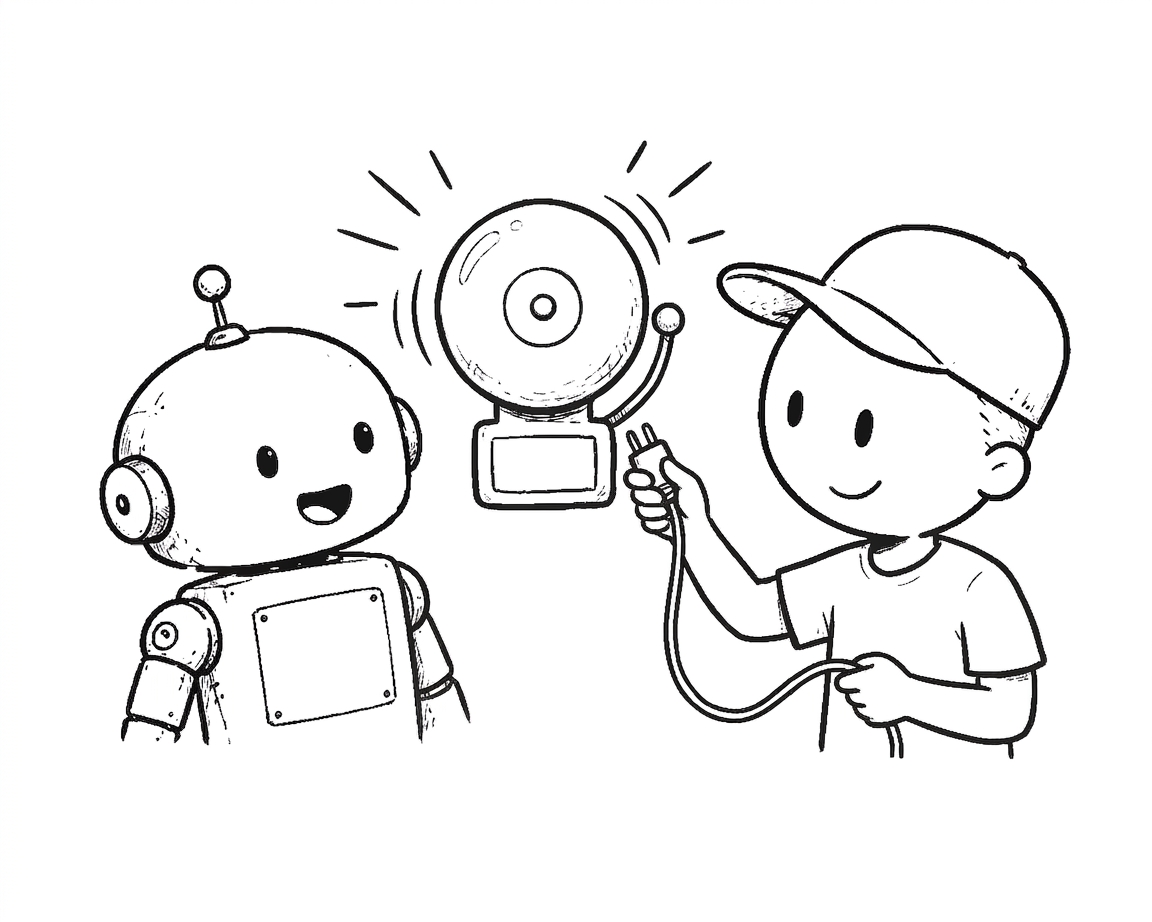
I set out to answer a simple worry — is someone trying to get into my server? — and found the scarier question underneath it: if they did, would I even know? My front door was solid. The inside had an alarm with the wires cut, a web terminal sitting on the open internet, and no floor under the blast radius. Here’s the audit, and the three things I fixed.
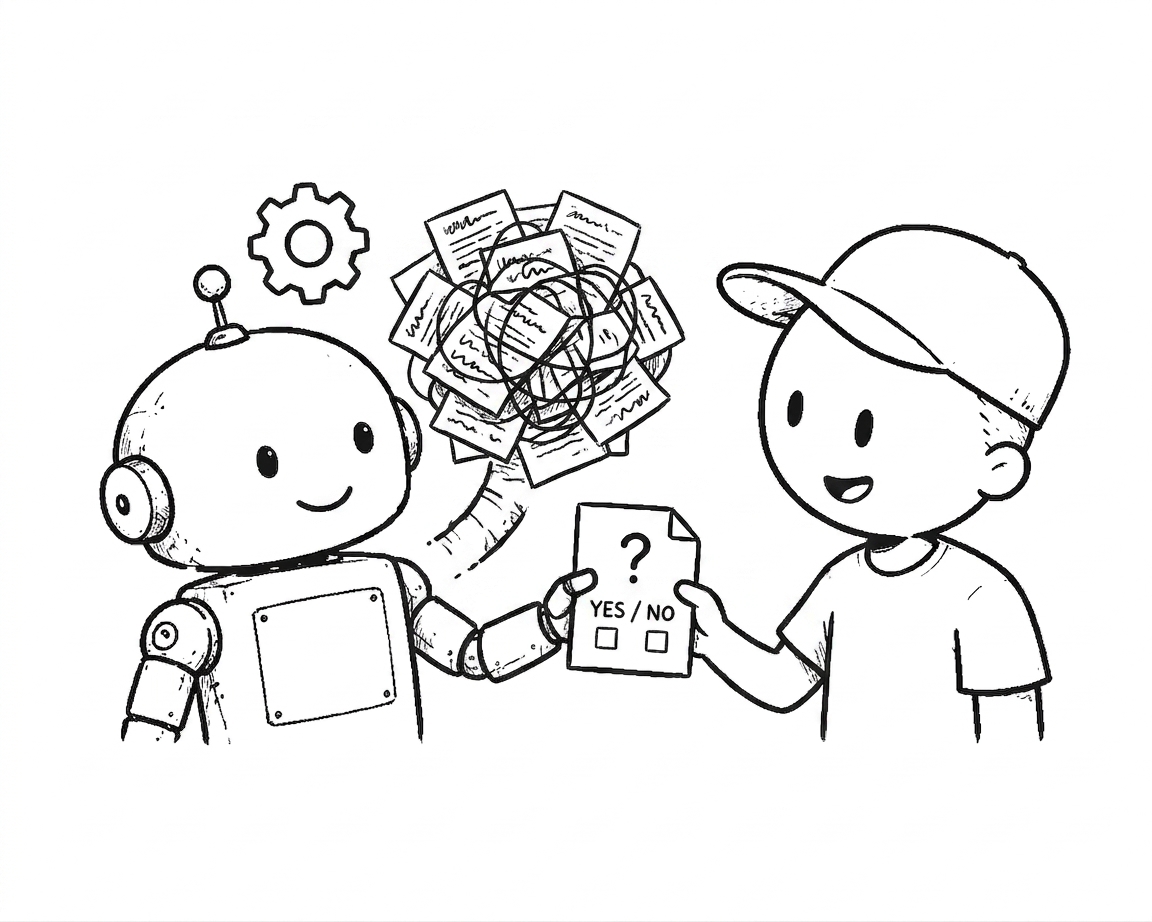
Parliamentary roll-call votes are public, machine-readable, and almost completely unread. I built a thing that scrapes them, distills each decision into one plain-language question, shows which party voted which way, and lets you register whether you agree — then puts your answer next to how parliament actually voted. The rule that keeps it honest: the AI writes the summary, but it never decides a fact.
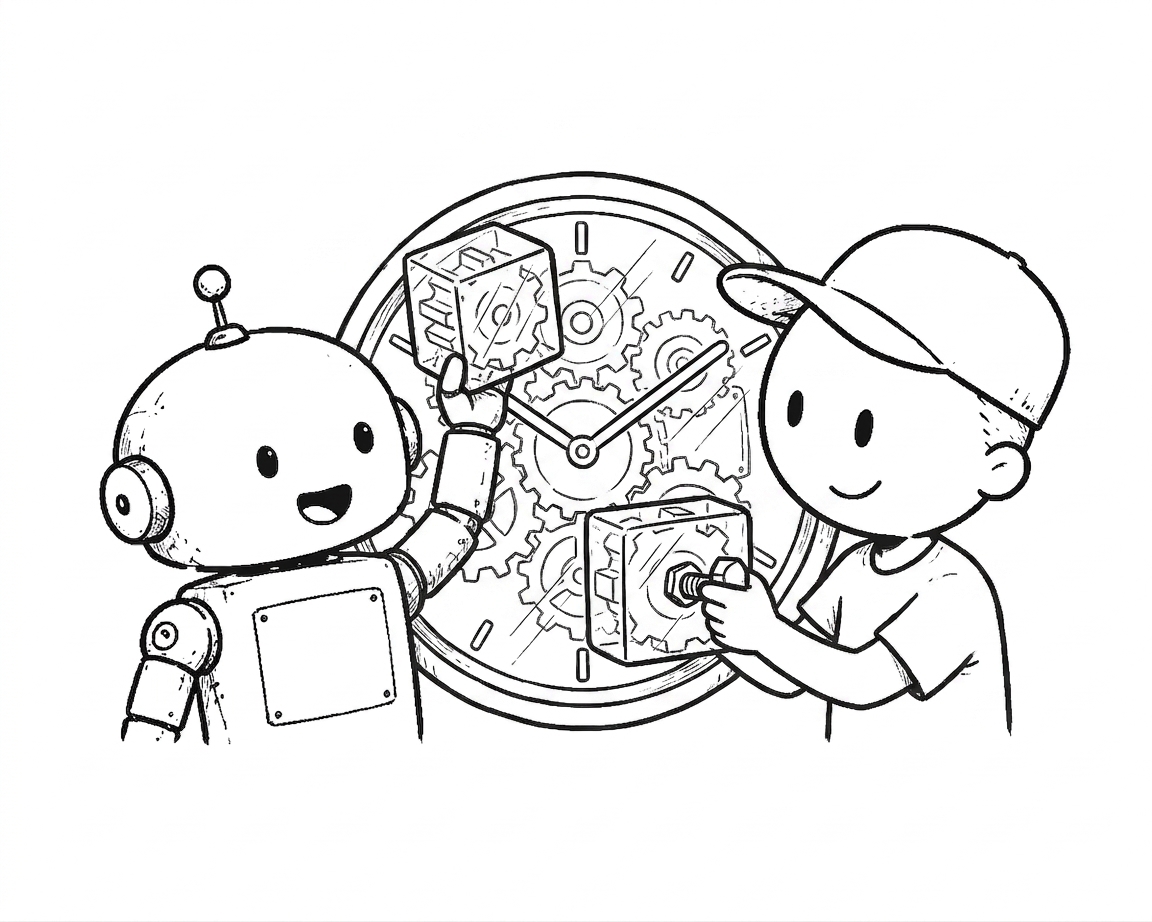
I built a clock that counts down to a form of government that doesn’t exist yet — legitimacy grounded in verified knowledge rather than power, wealth, or whoever shouts loudest. The only reason I’m not embarrassed to have built it: the clock can run backward, the assumption behind it is published in plain sight, and the first concrete brick already ships real parliamentary data. A measurement, not a prophecy.
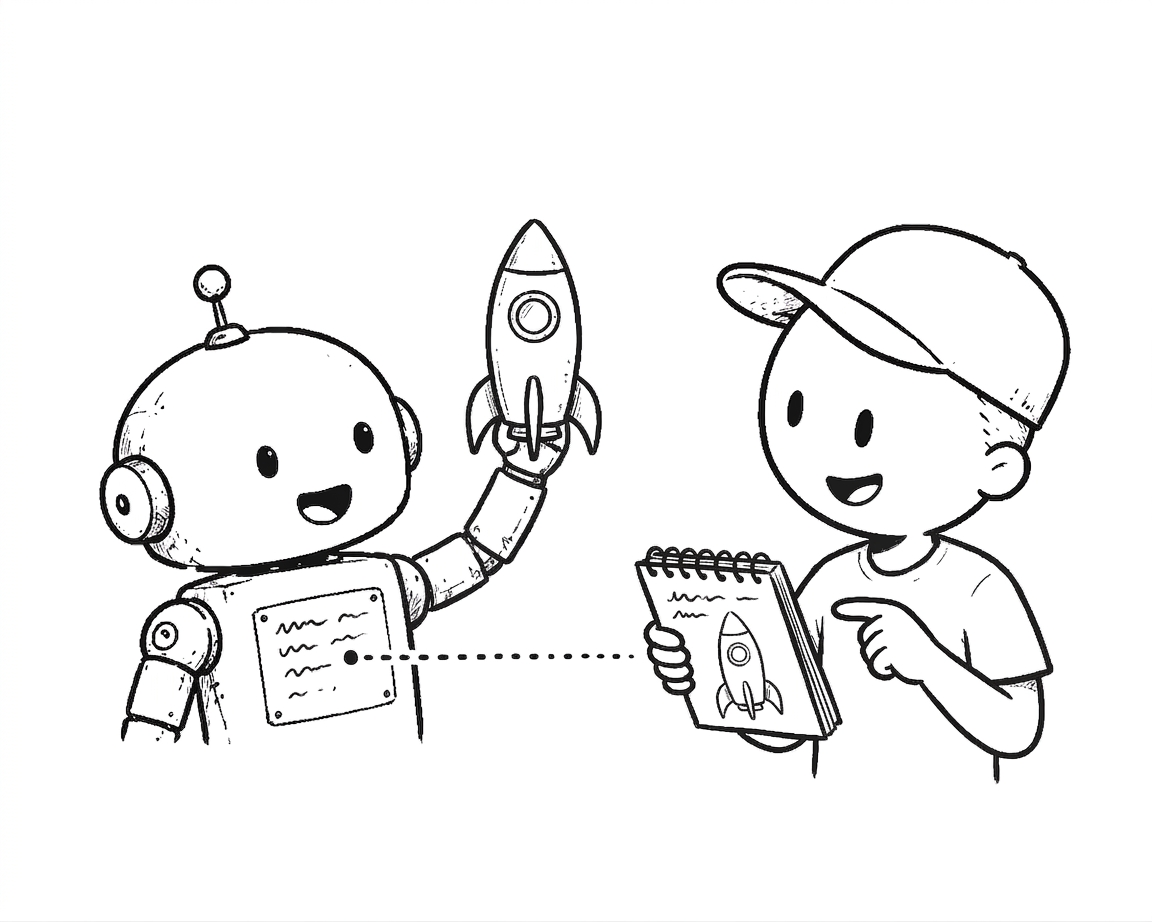
An AI agent on a scheduled idle walk through my notes pointed out that I’d built the same architecture three times — at work, in my homelab, and in my second brain — and that the third copy was missing the part that makes GitOps work. It was right. So we shipped the missing piece the same day.
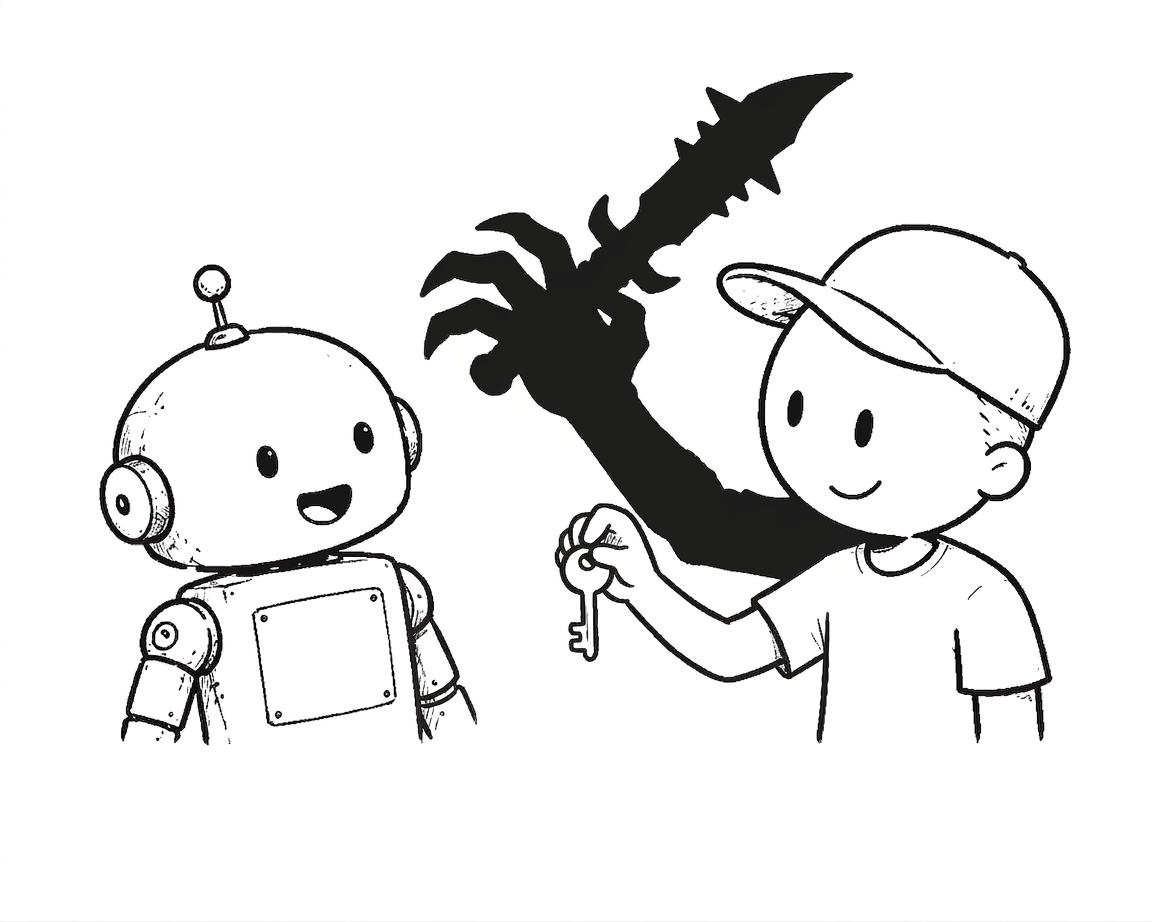
I asked Claude Fable 5 to help me self-host a dashboard for my own Claude usage. Halfway through, its dual-use safety measures flagged the conversation and downshifted me to Opus 4.8. Nothing I did was wrong — the request just had the shape of something that is. That gap, between what a thing looks like and what it’s for, turns out to be the whole story.
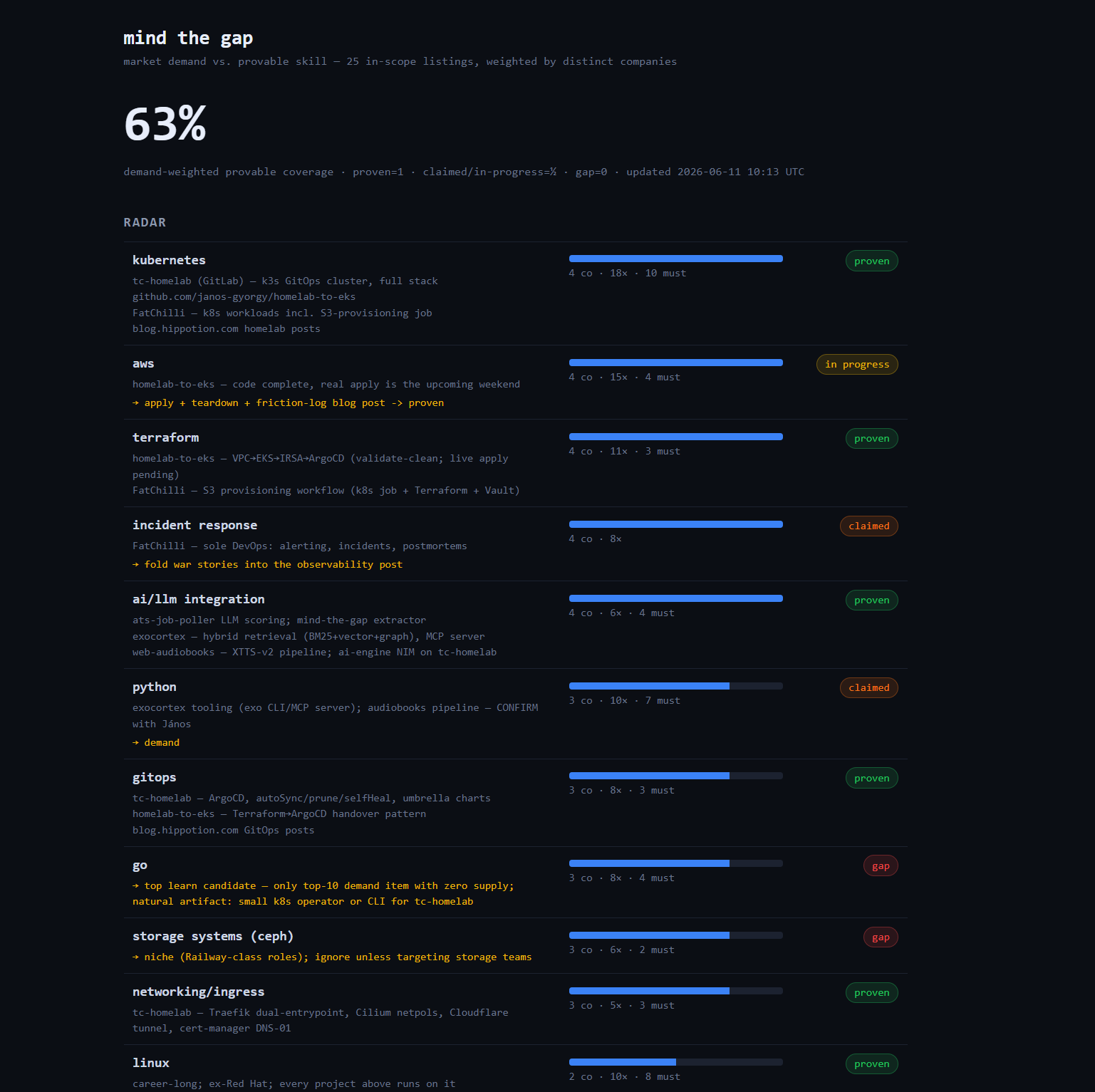
A rejection isn’t actionable data. So an n8n workflow now extracts skill demand from live job listings, diffs it against what I can prove, and renders the gap as a dashboard — deployed like everything else here: via git push.