Scoby: I built a free Kimchi
Kimchi’s shape (plan, build, judge, three models) on free inference APIs. What free actually means, why compaction had to be turned inside out, and why the cheapest checkpoint is still a person reading the plan.
Kimchi’s shape (plan, build, judge, three models) on free inference APIs. What free actually means, why compaction had to be turned inside out, and why the cheapest checkpoint is still a person reading the plan.
A managed service is a deal: you pay to not think about what’s underneath. I self-hosted Supabase on a 16GB box over a weekend, with AI help, and made every component earn its place. What I bought back was understanding.
Notes on my rule-based guard for Claude Code: the hook contract, the Python/Go pair, the shared test set, and the holes I found along the way.
Same builder model, same task, two harness modes — a real feature on my homelab, and why the architecture, not a smarter model, decided every outcome that mattered.
55 years of dev tools as orbital debris. If you feel behind: nobody can keep up with this. It’s not you. It’s the sky.
Everyone worries that coding with an LLM makes them forget how to code. That’s the wrong thing to worry about. The skill that really degrades is judgment — knowing when to trust the model and when to take the keyboard back.
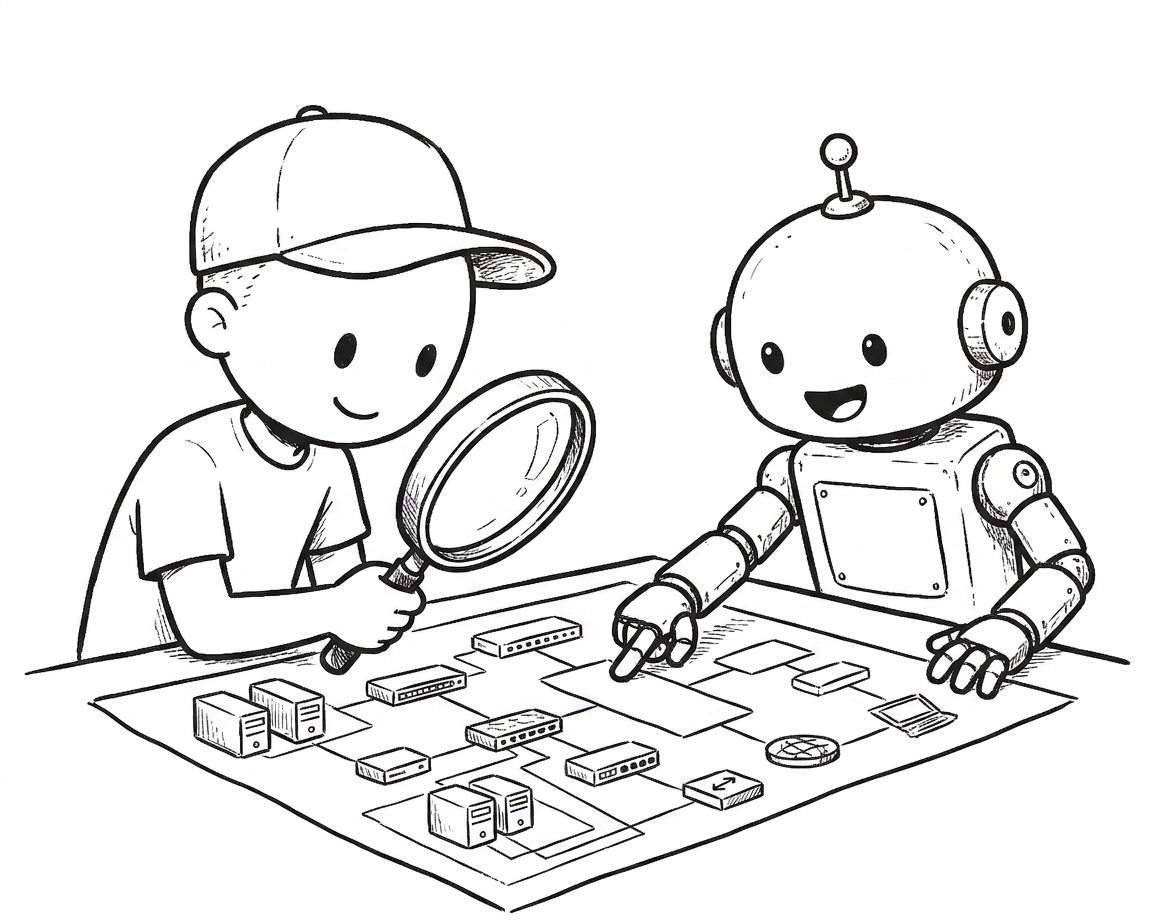
I gave a second AI read access to the Git repos that define my k3s homelab. The findings were fine — the work was validating each: which to accept, which to recalibrate, and which the scanner was confidently wrong about.
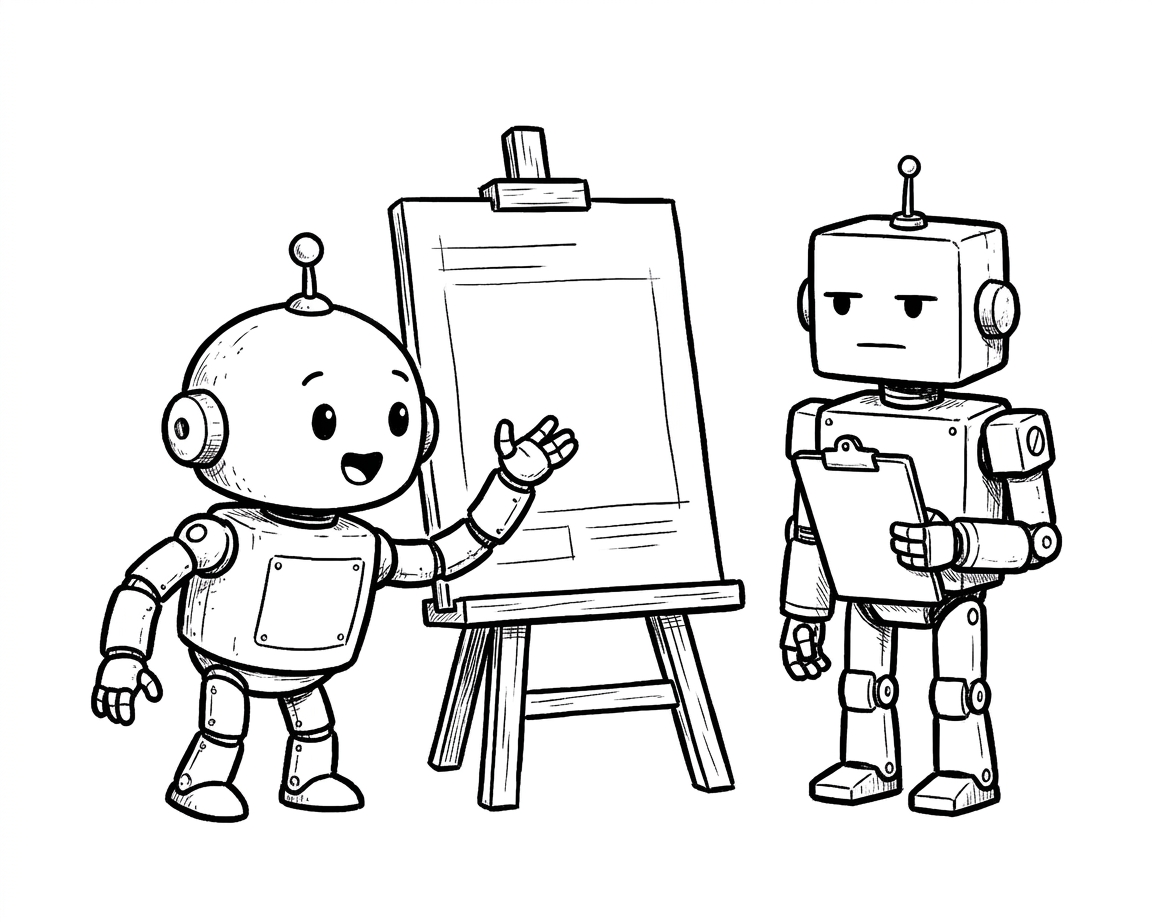
A single model playing scrum master is just one mind doing all the voices. So I gave two models from two different labs the same deliberately vague design brief, let them collide, and watched what each one refused to give up. I wasn’t trying to prove the merge was better — I was trying to prove they were different.
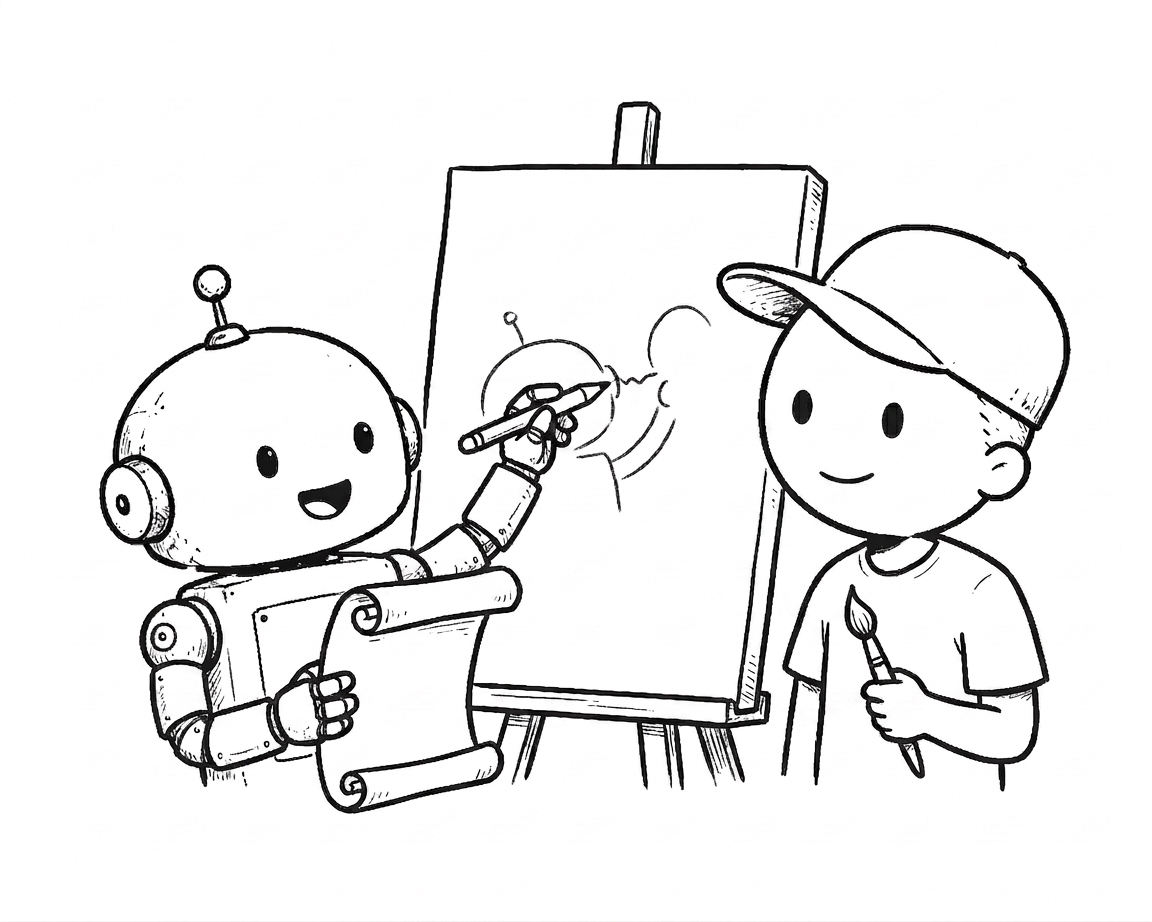
Thirty posts, no covers, and I can’t draw. The fix wasn’t a better prompt — it was picking the right model tier and letting the model read the whole post.
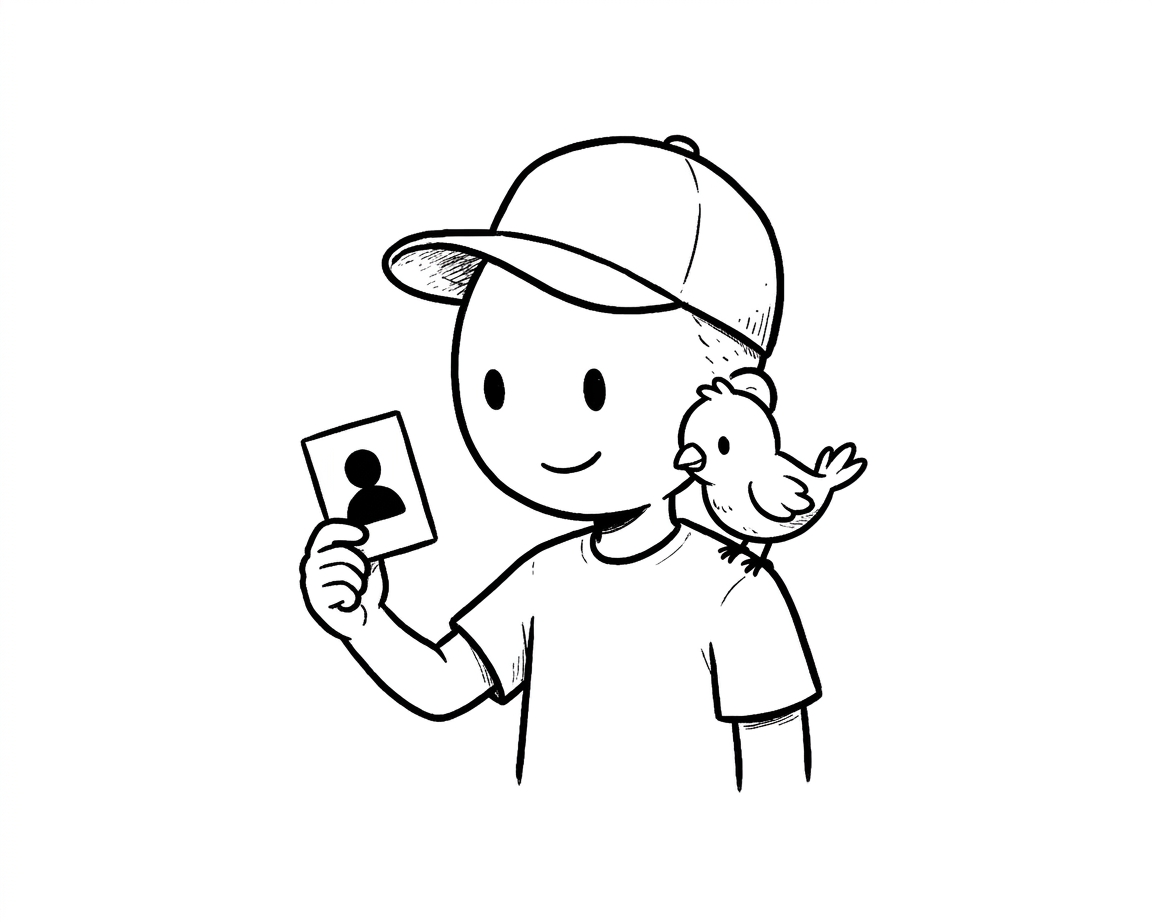
Two birds already read the web for me. The third one reads people — it mines my GitHub graph for humans worth a first message and writes the opening line, but it never sends. The word that changed the whole design was ‘who’, and the trap it had to dodge is that finding people like me is exactly the easy thing embeddings do best.